




How to Achieve Your New Year's Resolutions Despite the Daunting Odds
Stick to your resolutions this year with the help of these proven tips, expert advice, and helpful resources.
Published: Dec 05, 2023 | Modified: Nov 09, 2026
The best way to keep a New Year’s resolution is to start small. Focus on one goal at a time, make a plan you can track, forgive yourself when you slip, and ask for help when you need it.
The beginning of a new year is a great opportunity to reflect on the past and make a fresh start, whether that means eating healthier meals, getting more exercise, saving money, or quitting a bad habit, like smoking. Making resolutions is just the first step. These four tips, along with apps and resources for popular goals, can make keeping your New Year’s resolutions easier all year long.
4 tips for keeping your New Year's resolutions
No matter what changes you resolve to make, sticking to them can be a challenge. Most of us make a few mistakes along the way, and each of these four tips addresses one of them:
- Changing too much at once: the first tip shows you how to focus on one goal at a time
- Having no plan or way to measure progress: the second tip helps you break your goal into manageable chunks and track what you do
- Treating a slip as failure: the third tip reminds you that taking a step back is normal
- Going it alone: the fourth tip points you to family, friends, and professionals who can help
There are proven ways to achieve long-term results and make positive, lifelong changes. Here’s how to make them stick.


1. Focus on one goal at a time
Making too many changes all at once can be daunting. Simplify your list of New Year's resolutions by focusing on one goal at a time. Change just one habit and focus on just that for 30 to 60 days before adding another challenge.
For example, if your goal is to lose weight, don't start with a punishing diet and spending every day at the gym. Start by tracking what you eat and scheduling three workouts a week until this becomes your new habit. After a couple of months, examine your eating habits and make a change to your diet you can stick to for the next 30 to 60 days while maintaining your workout schedule.
“Setting small, attainable goals throughout the year, instead of a singular, overwhelming goal on January first, can help you reach whatever it is you strive for," says psychologist Lynn Bufka, PhD, in an article on the American Psychological Association website. “Remember, it is not the extent of the change that matters but rather the act of recognizing that lifestyle change is important and working toward it, one step at a time."

2. Make a plan & track your progress
Unhealthy habits develop over time, which is why changing them also takes time. Make the commitment by devising a long-term plan, breaking down your goal into manageable chunks, and tracking your progress.
For instance, if your goal is to lose weight and all you focus on is the number on the scale each morning, you're bound to get discouraged. Instead of fixating on that number, keep track of your workouts and what you eat. That way, your successful week will be marked by the amount of exercise you got and healthy meals you ate — not by what the scale reads.
It's also important to track things you're trying to eliminate from your life, such as smoking or biting your nails. Logging your progress in an app or a journal, or even through photos, can help show progress and reinforce the commitment to your goal.

3. Don't give up
Our excitement and determination about our resolutions tend to fade as weeks and months pass, and we get busy with everyday life. If you're find yourself falling back into your old ways, don't get discouraged. Remember that taking a step back is completely normal and achieving your goals is not about perfection. If you skipped a week at the gym or ate a decadent dessert on your diet, it's OK. Forgive yourself and get back on track with your resolutions.
“Take credit for success when you achieve a resolution, but don't blame yourself if you fail. Instead, look at the barriers that were in your way. See how you can do better next time and figure out a better plan to succeed. You do get to try again and can make behavior changes throughout the year, not only at New Year's," says psychology professor Alan Marlatt, PhD, who has studied the topic of resolutions for over 20 years at the University of Washington.
If you slip, this is how to get back on track:
- Forgive yourself, because taking a step back is completely normal
- Look at the barriers that were in your way instead of blaming yourself
- Adjust your plan, then pick your resolution back up
4. Get help if you need it
Staying positive and seeking help when you need it will help you stick to your resolutions. There are countless resources, advice, and support available for whatever you're striving to achieve.
If your plan isn't producing results, or if you're stressed or overwhelmed, take a moment to reexamine your goals and get help from family, friends, and professionals who are experts in what you're trying to achieve. Join a support group, meet with a dietitian, or schedule a session with a personal trainer. Sharing your struggles with someone else and getting help will make your goals more attainable.
BONUS TIP: Make the right investment
To stay motivated throughout the year, consider investing in books, tools, apps, resources, and other items that will help you be successful with your goals.
Buying new workout clothes and gear will make you feel good when you head to the gym. A new healthy cookbook might be just what you need to motivate you to try more healthy meals. A water bottle will be a good reminder to drink more water throughout the day. And a powerful budgeting app can help you stay on track with your new saving goals. You can also consider taking a class or joining a club to achieve your goals of learning something new.
Apps & resources for your resolutions
Here are some additional tips and resources for some of the most popular and common New Year's resolutions.
1. Get more exercise
Start by finding simple ways to get more movement throughout the day, such as taking the stairs, parking your car farther away, or walking on your lunch, instead of mindlessly scrolling social media. Invest in workout clothes and gear that will make you feel good, and schedule your workouts just like you would any other important appointment.
Try different types of workouts to find something you really enjoy. Fitness Blender, DAREBEE, and HASfit offer free videos and workout routines you can do right at home. The Nike Training Club app is another resource that offers free video workouts and tips for all levels.


2. Eat a healthy diet
Eating healthy also means drinking healthy. Start by tracking your water intake and minimizing any sugary beverages you enjoy on a regular basis, or switching to black coffee. Try cooking one new healthy recipe each week and adding fruits and vegtables to every meal.
There's no shortage of healthy recipes on the web, along with free apps, such as SuperFood – Healthy Recipes, which offers a calorie counter with relevant nutrition information. If you're looking for a meal planning tool, consider mealime or the wide variety of healthy meal plans available at EatingWell. Guys who are new to cooking will enjoy Fit Men Cook, which offers easy, practical, and healthy recipes, including keto, vegetarian, and vegan options.


3. Lose weight
The goal of losing weight should really start with a visit to the doctor to ensure your health is in check before starting a weight loss plan. Excess weight can be caused or related to a number of health issues, and not every diet or exercise plan is safe or effective for everyone.
Once your doctor provides you with safe goals that complement your lifestyle, you can use free apps like MyFitnessPal or MyNetDiary to track your daily nutrition, physical activity, and sleep.
4. Save more money
If getting out of debt or building up your savings is your resolution, there are plenty of resources and helpful apps to make the process easy.
For help with building a budget, start with Dave Ramsey's site and his free How to Budget tools, which covers how to create a budget, pay off debt and start saving. EveryDollar also offers a budgeting app, which allows you to track your spending, plan expenses, and set financial goals. (The app has free and paid versions.) Mint is another great option for managing your finances; the free app offers budgeting, credit score information, investment tracking tools, and other useful features. For a small fee, the You Need A Budget and Oportun apps are popular alternatives, and each offers a free trial.

5. Reduce stress
Managing daily stress and providing self care are on a lot of New Year's resolution lists these days — and there are many ways to achieve these goals.
Start with basics, such as making sure you get enough sleep, exercise, and fresh air. Keep a sleep journal or look for apps that help you track your sleep habits. Also consider a relaxation app that helps with breathing exercises, mindfulness, and mediation, such as Calm or Pacifica. Get your steps in each day, preferably outside and in nature. Find activities and hobbies that bring you joy, and make time to unwind and relax at the end of the day with a good book, puzzle or game, glass of wine, cozy blanket, and scented candle.


6. Declutter & organize
We all want a cleaner, more organized home, and achieving this is probably easier than you think.
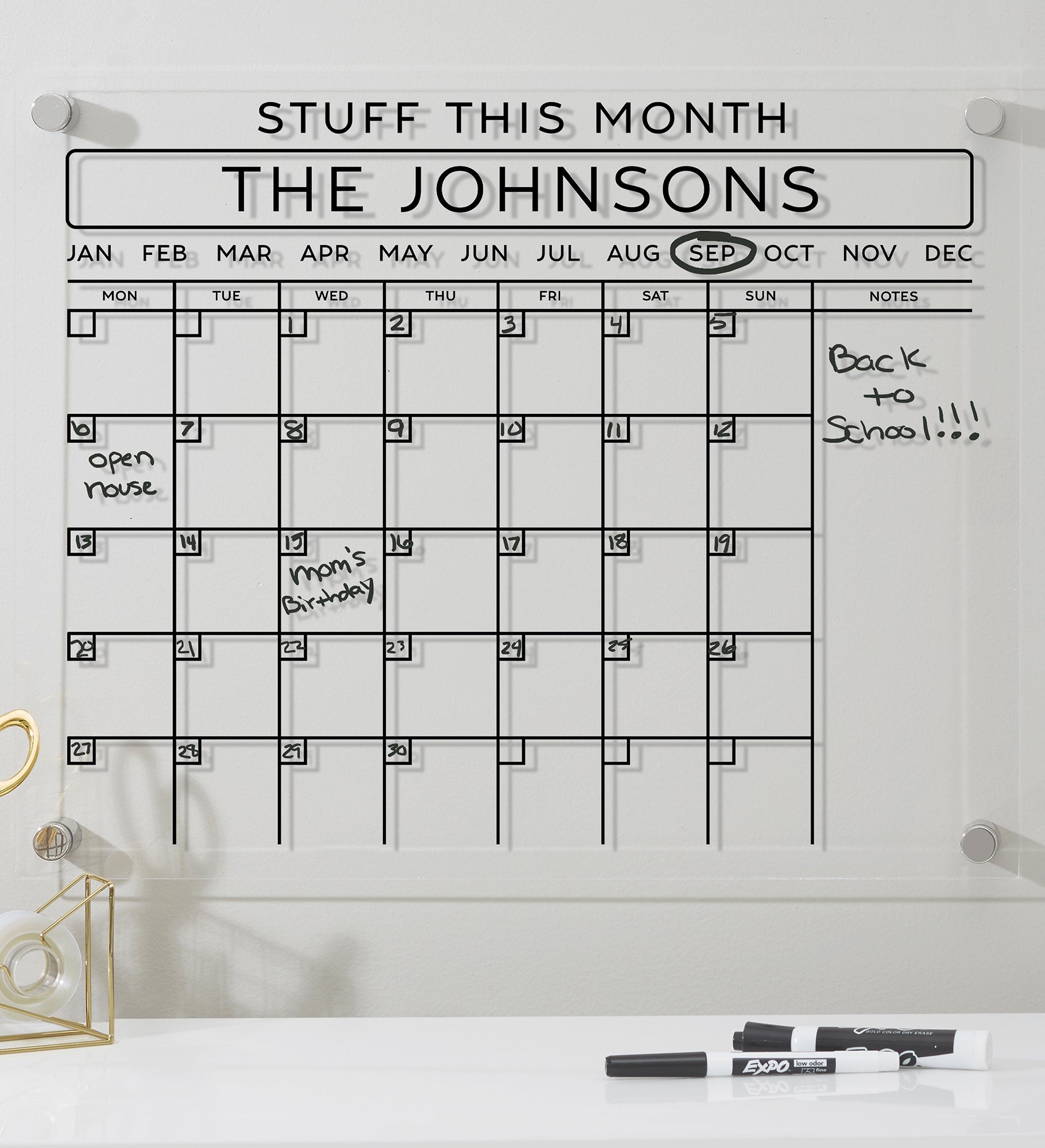
Start by creating a command center where your calendar, schedules, appointments, and other important information can be visible to all family members. Add a spot for everyone to leave their keys, backpacks, purses, and other important belongings.
When it comes the kids, consider implementing chore charts, cleaning schedules, rewards, and other methods to get everyone involved in keeping the home clean and organized.
For organization advice and inspiration, look to Marie Kondo and The Home Edit, both of which have shows on Netflix that are as informative as they are entertaining.

How many New Year’s resolutions should I work on at once?
Start with one. Change just one habit and give it 30 to 60 days before you add another challenge, because making too many changes at once can feel daunting. If your goal is to lose weight, for example, begin by tracking what you eat and scheduling three workouts a week, then adjust your diet once those feel routine.
What should I track to keep a resolution on course?
Track what you do, not only the end result. If you want to lose weight, log your workouts and meals instead of weighing yourself every morning, which can leave you discouraged. An app, a journal, or photos can all show your progress, and they work for habits you want to drop too, like smoking or biting your nails.
What should I do if I miss a day or a week?
Forgive yourself and start again. Taking a step back is completely normal, and reaching your goals isn’t about perfection. Look at what got in your way instead of blaming yourself, adjust your plan, and pick the resolution back up. You can make changes throughout the year, not only at New Year’s.
When should I ask for help with a resolution?
Ask when your plan isn’t producing results or when you feel stressed or overwhelmed. Take a moment to reexamine your goals, then turn to family, friends, or professionals who know what you’re trying to achieve. You could join a support group, meet with a dietitian, or schedule a session with a personal trainer. Sharing your struggles with someone else can make your goals more attainable.
Which apps can help with common resolutions?
There are free options for several popular goals. The Nike Training Club app offers free video workouts and tips for all levels. MyFitnessPal and MyNetDiary can track your nutrition, activity, and sleep once your doctor has helped you set safe weight goals. For saving money, EveryDollar’s app lets you track spending, plan expenses, and set financial goals, and it has free and paid versions. If stress is your goal, Calm is a relaxation app for breathing exercises and mindfulness.
What can I buy to stay motivated?
Choose tools that fit your goal. New workout clothes and gear can make you feel good heading to the gym, a healthy cookbook can motivate you to try more healthy meals, a water bottle is a reminder to drink more water, and a budgeting app can keep your saving goals on track. You can also take a class or join a club if you want to learn something new.
AUTHOR

Kasia Lorenc is a writer and editor at Personalization Mall, covering gifting, home decorating, and more.